

1
/
of
1
Bean - Dwarf French - Canadian Wonder - 15 seeds
Bean - Dwarf French - Canadian Wonder - 15 seeds
Regular price
£0.39
Regular price
Sale price
£0.39
Quantity
Out of stock
Couldn't load pickup availability
15 seed count
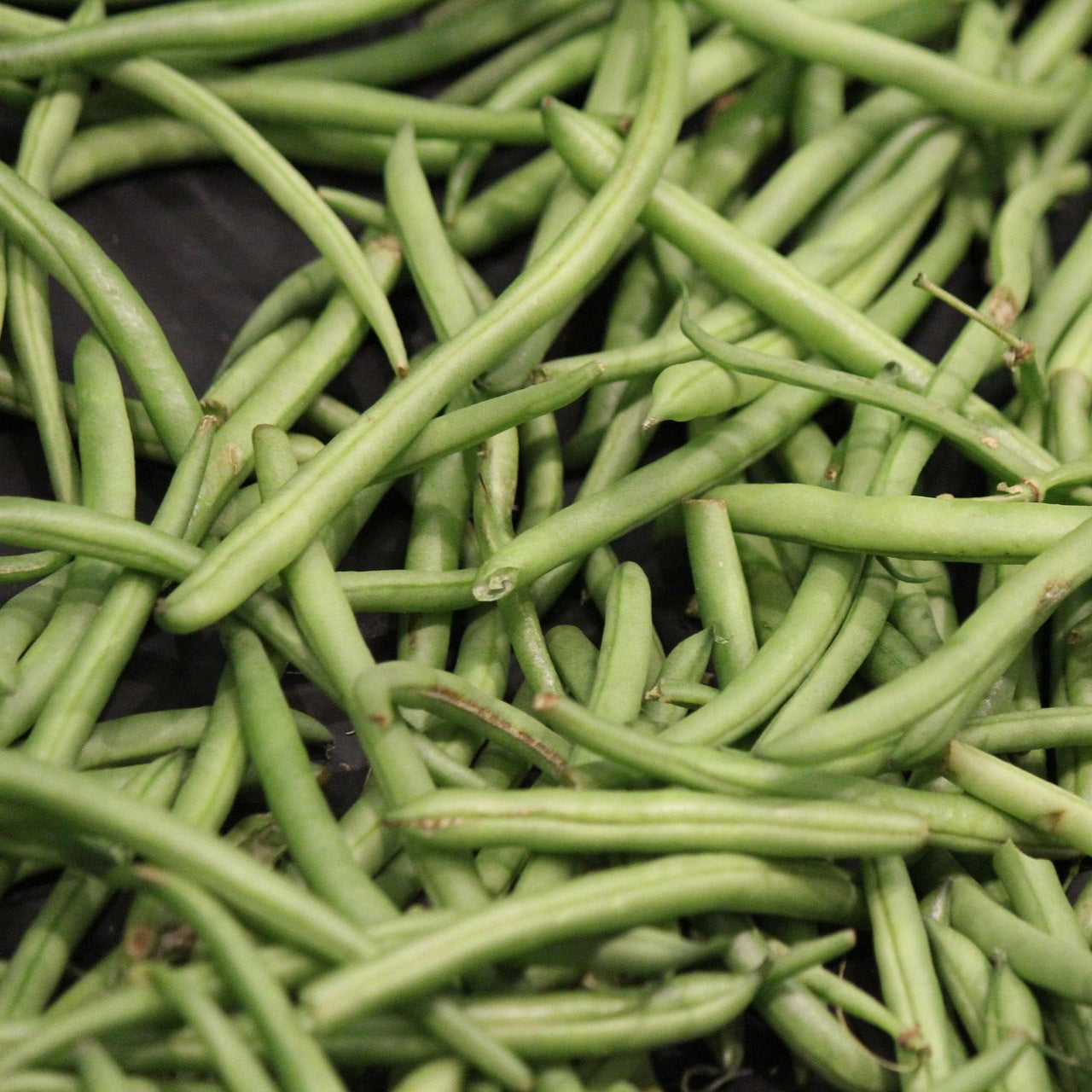
Dwarf French Bean 'Canadian Wonder' is a compact and productive bush bean variety known for its rich flavor and versatility. The plants grow to about 45 cm (18 inches) in height and do not require staking, making them ideal for small gardens or container growing. They produce deep red kidney-shaped beans inside green pods, which can be harvested young as snap beans or left to mature for dried beans. This variety is known for its reliability, high yields, and resistance to common bean diseases.
Share
Product Information
Planting Guide
| Jan | Feb | March | April | May | June | July | Aug | Sep | Oct | Nov | Dec |
|---|---|---|---|---|---|---|---|---|---|---|---|
| J | F | M | A | M | J | J | A | S | O | N | D |
|---|---|---|---|---|---|---|---|---|---|---|---|
Sow
Sowing and Growing Guide
Dwarf Bean Canadian Wonder
Indoor Sowing
- Start seeds indoors 2-3 weeks before the last expected frost date.
- Use biodegradable pots or seed trays filled with seed starting mix.
- Plant seeds 1 inch deep and 2 inches apart.
- Keep the soil consistently moist and maintain a temperature of 70-80°F for germination.
- Once seedlings have developed a couple of sets of true leaves, they can be transplanted outdoors.
Outdoor Sowing
- Directly sow seeds into well-drained soil once the danger of frost has passed and the soil has warmed to at least 50°F.
- Choose a sunny location with fertile, well-drained soil.
- Plant seeds 1 inch deep and 2 inches apart in rows spaced 18-24 inches apart.
- Keep the soil evenly moist until seedlings emerge.
- Thin seedlings to 4-6 inches apart once they have developed a few sets of true leaves.
Growing
- Dwarf Bean Slenderette prefers full sun and well-drained, fertile soil.
- Water consistently, aiming to keep the soil evenly moist but not waterlogged.
- Mulch around the plants to help retain moisture and suppress weeds.
- Fertilize with a balanced fertilizer once a month, or use compost to provide nutrients.
- Support the plants with stakes or a trellis as they grow to keep the pods off the ground and make harvesting easier.
- Harvest beans regularly when they are young and tender, typically around 3-4 inches long.
- Harvesting regularly encourages the plants to produce more beans.
- Rotate bean crops annually to prevent diseases and maintain soil fertility.